
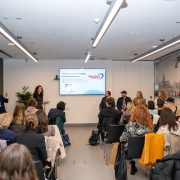
The path to building one’s own business can be winding and challenging; it is not always a story of guaranteed and easy success. On the contrary, an entrepreneur’s life is filled with various challenges that must be addressed quickly and with minimal losses. Stories of both success and failure were discussed at a meeting of the Ukrainian Business Way business club last week. Maiak was also invited to attend the event.
The meeting of entrepreneurs took place in London. The host organisation was Small Business Research + Enterprise Centre, and among the guests were Ukrainian entrepreneurs from various sectors who are already building their businesses in a new country.
That evening, difficulties were not hidden. On the contrary, they were spoken about openly.
Yurii Pidnebesnyi, the founder of Ace Battle, spoke about the fact that business cannot exist without a clear vision of the future. For him, a team and shared values are not abstract concepts, but the very foundation of a project’s survival.
He emphasised that without a clear understanding of where a business is heading and why it exists, no technology or investment can save it.
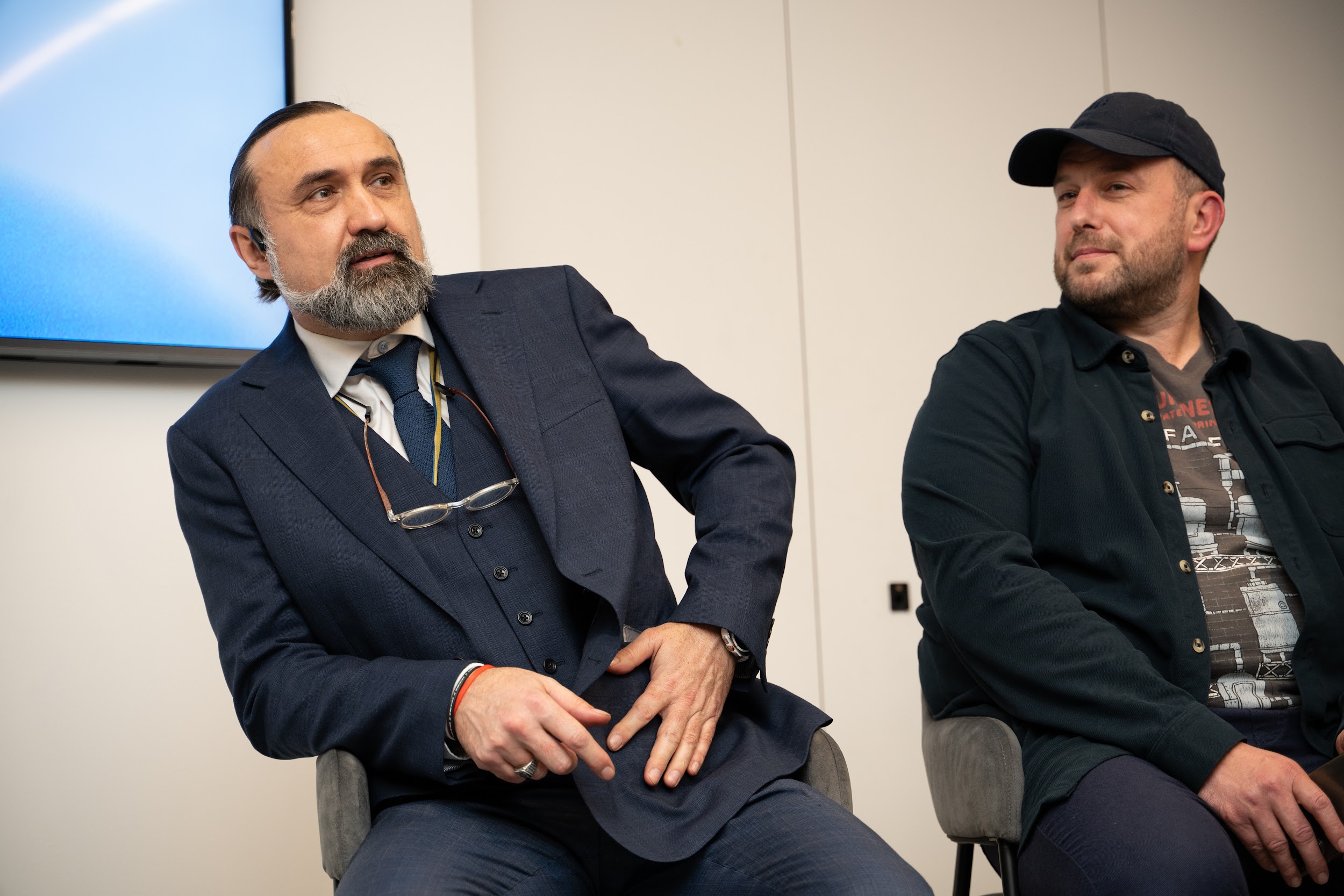
A very different yet equally familiar experience was shared by Taras Hereliuk, the founder of Zamarut Cafe. His journey in British entrepreneurship began with unexpected bills, fines, and letters from official institutions.
Taras spoke about a fear familiar to anyone starting a business in a new country — the feeling that one more letter could mean the end. Yet, in those moments, he said, the key is not to accept the system “on faith”, but to ask questions, engage in discussion, and understand the details. Critical thinking helped him navigate through difficult situations.
Another type of mistake — less visible, but no less painful — was discussed by Oksana Chaiun. Her family business, LightCraft, appears stable today, but the path to that stability was far longer than it seemed at the beginning.
According to Oksana, registering a company creates an illusion of completion, as if the most important step has already been taken. In reality, this is where the most important work begins — market research, finding clients, and endless questions without ready-made answers. Her advice was simple: do not be afraid to ask for help.
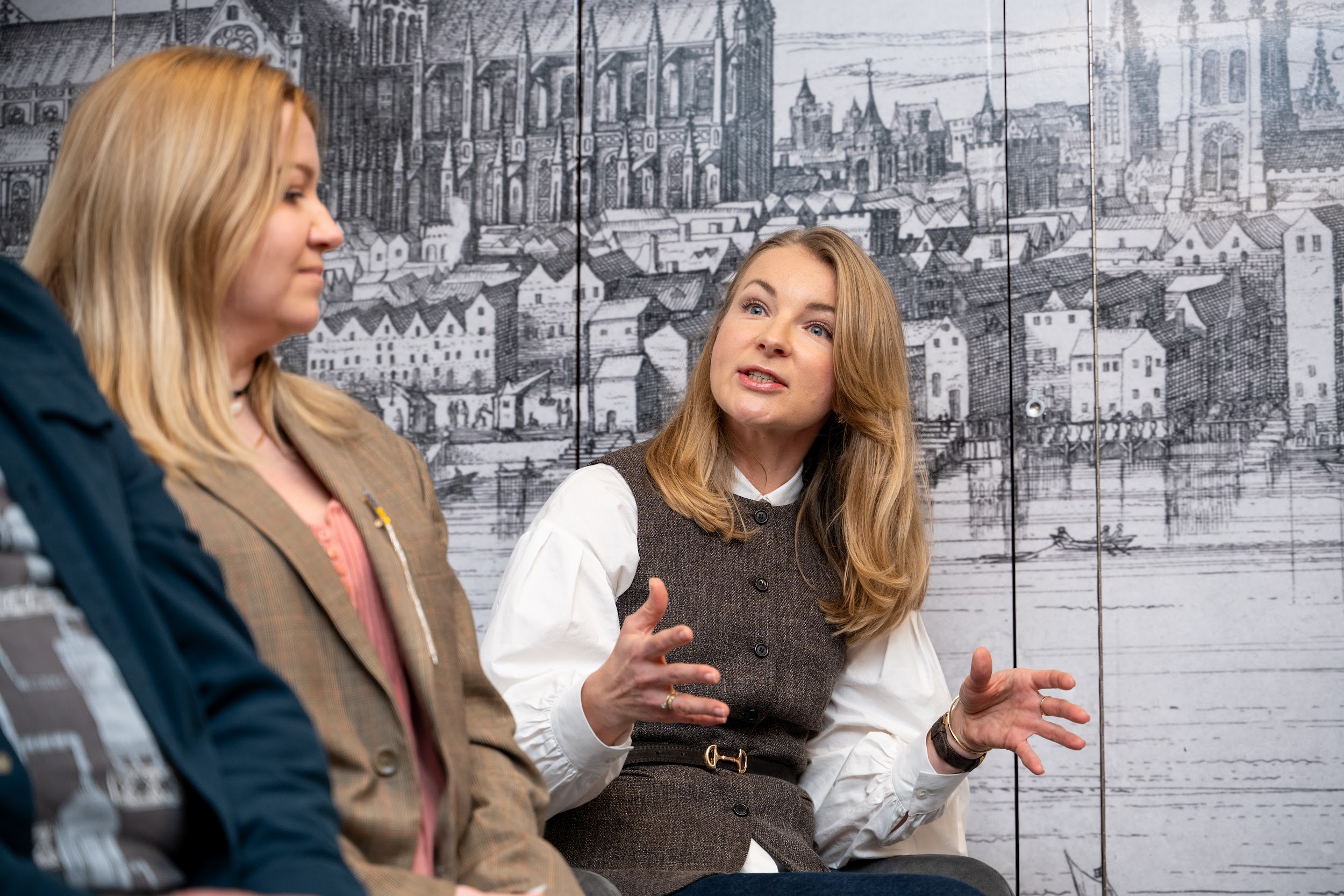
Nataliia Bezprozvannykh, who works at the company Works Sports Technology, raised a topic that echoed through almost all the talks: communication. Even with a good level of English, she explained, cultural context and informal signals often remain difficult to grasp.
Building a business in the UK without connections is a separate challenge. Trust is built gradually, and clients are more likely to work with someone who has already been recommended to them. Today, the company has projects and clients, and one of its greatest achievements is the creation of the UK’s first floating padel court.
The event organiser and co-founder of Ukrainian Business Way, Violetta Loziuk, says it is important to her that these meetings remain alive and genuine.
“I spoke with every speaker individually and know how much of their heart they put into their businesses. It was very valuable to feel the sincerity — both from the speakers and the participants. The advice shared was ‘alive’, based on real experience, including failures and practical tips, and that is extremely valuable.”
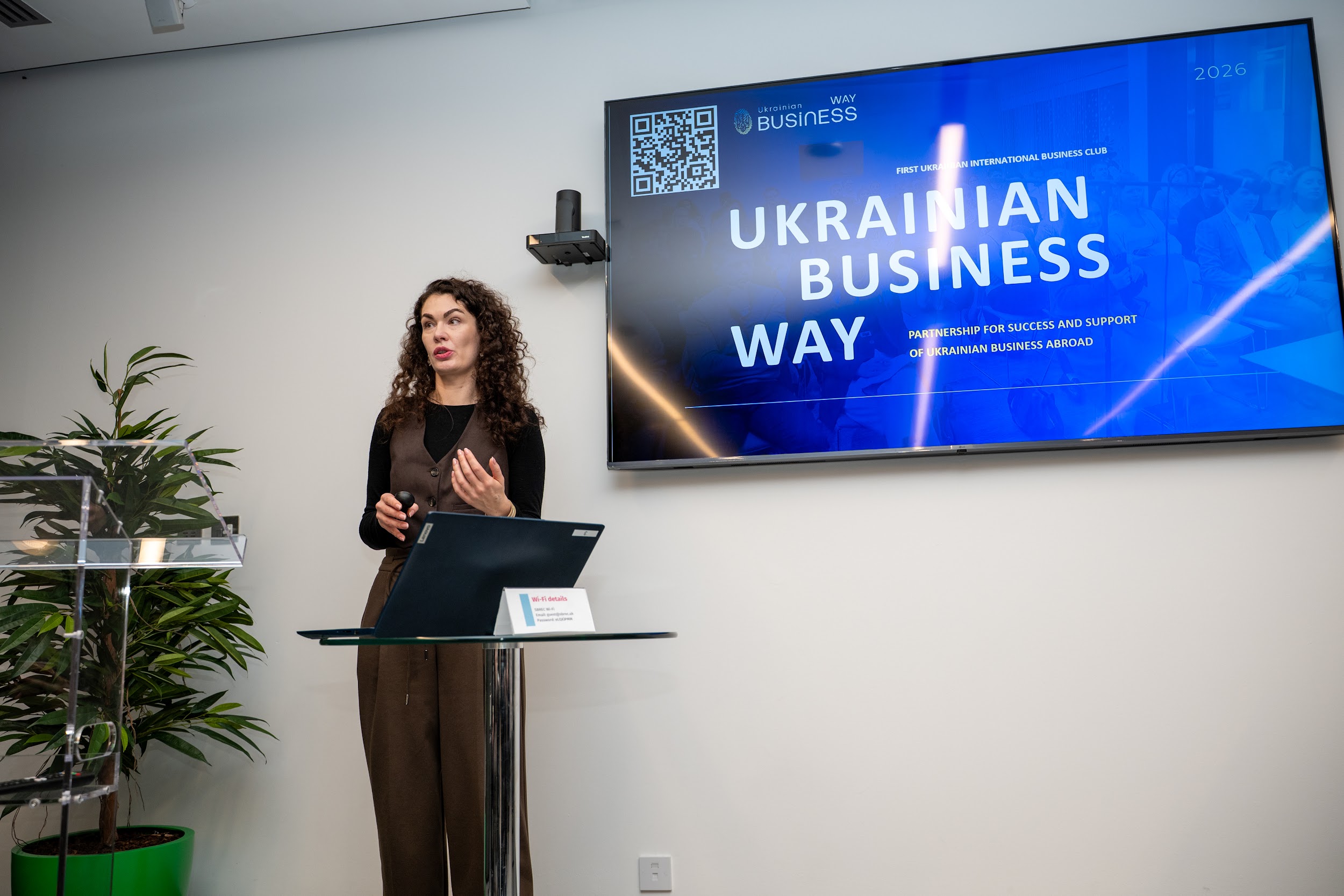 Separately, Violetta drew attention to the educational project Svitlo School. The project focuses on developing leadership and entrepreneurial skills among Ukrainian children — those who are only beginning to write their own success stories. The school can be supported financially via a link.
The event did not leave the impression of a polished ‘success story’. Instead, it offered an understanding that building a business through migration is a slow process — shaped by mistakes, conversations, and mutual support.
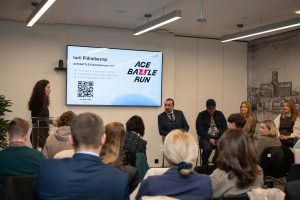

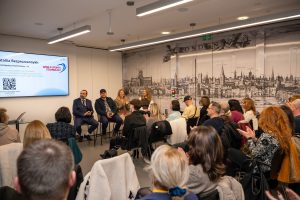
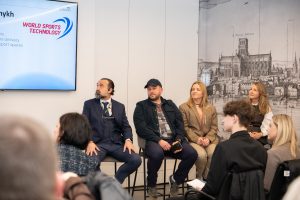
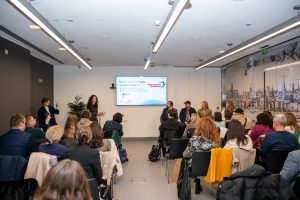
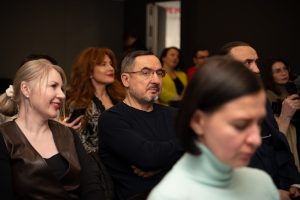
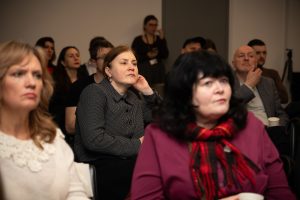
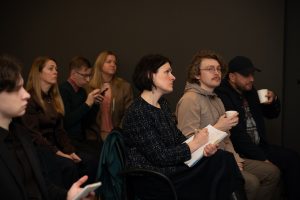
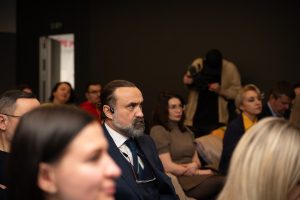
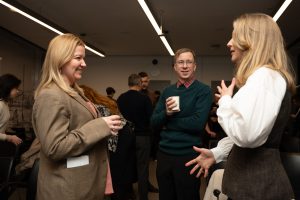
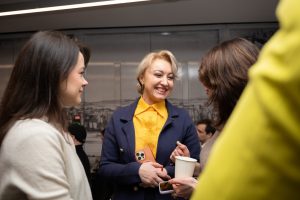
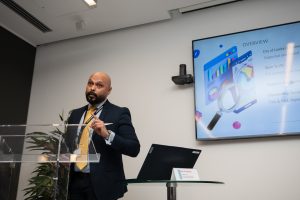
Photo credit: Natalia Prykhodko
Leave a Reply