
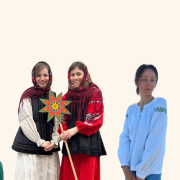
Many Ukrainians share similar childhood memories: school assemblies, national holidays, Vyshyvanka Day (an annual celebration dedicated to the traditional embroidered shirt), when an embroidered blouse was taken out of the wardrobe just once a year. For some, it felt like a formality; for others, it was the only fragile thread connecting them to their grandmother’s ritual towels (rushnyk – a ceremonial textile used in Ukrainian family rites) or their mother’s dresses.
Today, more and more people feel the need to reclaim authentic Ukrainian dress – free from plastic flower crowns, mass-produced poppy motifs and sharovarshchyna (a dismissive term for kitschy, exaggerated “folk” stereotypes that flatten Ukrainian culture). Instead, they are turning towards garments rooted in genuine techniques, regional traditions and historical meaning.
Maiak spoke to four women – Yuliia, Alona, Diana and Natalia – about why they weave traditional clothing into their contemporary wardrobes, and how wearing Ukrainian dress changes the way they feel and see themselves.
They come from different cities and backgrounds, but share one belief: Ukrainian clothing is not a “costume for special occasions”, but a living, everyday expression of identity.
Choosing to wear a Ukrainian dress today is a small yet powerful act of resistance against simplified, folklorised views of the culture. It is a way of saying: we have deep roots, a rich history, and the right to express it in ways that are modern, stylish, authentic, and personal.
Every embroidered shirt, woven belt or beaded necklace they wear becomes another thread connecting past and future. And as long as these threads remain alive, so does the clothing that remembers.
Yuliia: “Traditional dress is our national code”
For Yuliia Hapeka, the journey towards everyday traditional dress began on Instagram – and with an unexpected pull towards a rural aesthetic.
As a child, traditional clothing appeared only on official occasions: an embroidered shirt for school ceremonies, literary evenings dedicated to Taras Shevchenko or Lesia Ukrainka (canonical Ukrainian writers), and festive concerts. The real turning point came in 2020, when she began actively curating her social media presence and noticed a growing attraction to everything “village-inspired” – from interiors to clothing.
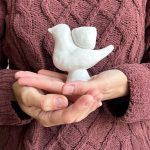
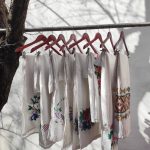
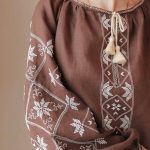
“This is how I express myself and stand out. Traditional dress is our national code, and I’m proud of it.”
Yuliia loves mixing traditional elements with modern pieces: a skirt layered with a zapaska (a woven apron-style wrap traditionally worn over skirts) and a sylianka (a beaded neck ornament) around her neck; jeans paired with a vyshyvanka and a small traditional pouch instead of a handbag; or an ethno-inspired dress worn with a krajka (a woven belt, traditionally worn to cinch and structure an outfit) and an embroidered waistcoat.
Her wardrobe is full of belts, collars, ribbons and beadwork – subtle accents that quietly but clearly say: I am Ukrainian.
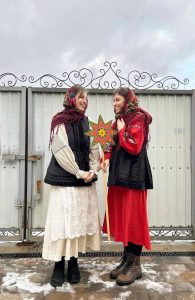
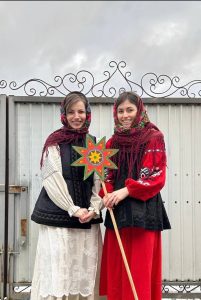
Some items carry particular emotional weight: her grandmother’s embroidered ritual towel – nearly 80 years old; her mother’s school-era shirt; and her own first hand-embroidered blouse, stitched white-on-white.
“It’s history. A connection to my family, my roots. A bridge between generations.”
Over the past two years, Yuliia has not only worn traditional clothing but also begun creating it – embroidering shirts to order, primarily for family and friends.
“I put love, soul and warmth into every stitch – and a desire never to forget who we are as Ukrainians.”
When she wears something with Ukrainian symbolism, her inner state shifts:
“I feel even more love and pride in our heritage and culture. Sometimes I imagine myself living in those times when ‘the mighty Dnipro roars and groans’ – a line from a famous poem by Taras Shevchenko, Ukraine’s most influential poet and cultural figure.”
Diana: A ‘silent’ educator in a korsetka and krajka
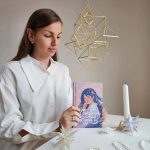
Diana Chuprii is a lawyer and historian, and the founder of the educational project TRYZUB educate. She works with history professionally – but for her, Ukrainian traditional dress is also a practical tool for everyday cultural education.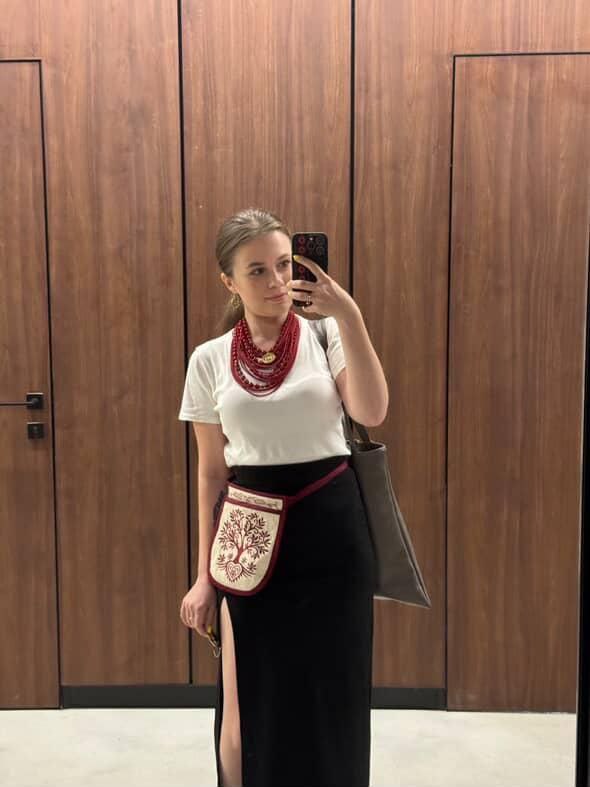
“As someone who teaches history and promotes Ukrainian culture, it matters to me to carry certain ideas, not only on social media, but every day. I like doing it through words, but also when I’m silent. For me, traditional clothing is a bond with my ancestors – it’s lineage and memory. When I put it on, it’s as if I pause the modern rush of errands and the globalised world, where it’s easy to forget your roots. Putting together a new traditional-inspired look is also a kind of creativity – a way to ground myself, to remind myself first and foremost who I am and where I come from. Ethno-dress helps me underline my individuality, express my worldview – and I’m convinced that seeing it worn confidently encourages others not to feel shy, and to wear Ukrainian more often too.”
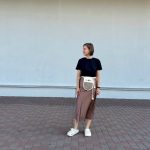
Even when she’s wearing entirely modern clothes, Diana tries to add at least one traditional detail: earrings, a necklace, a small pouch, or a krajka. These details tend to draw attention, and that curiosity becomes a conversation opener – an opportunity to talk about Ukrainian culture, garment names, and the history behind them.
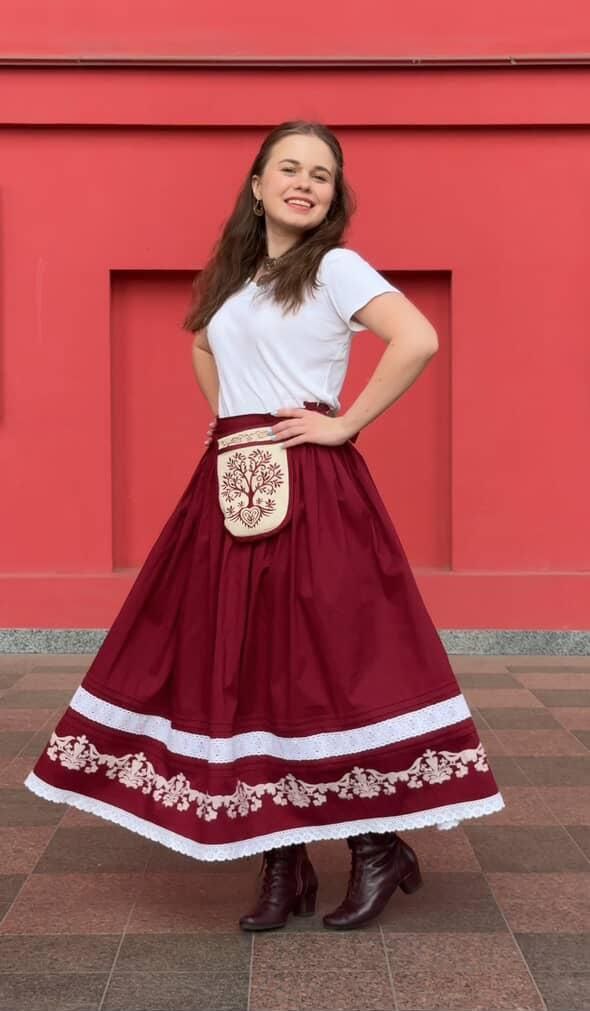
The first time she wore a complete traditional outfit in public was during an ethnographic photoshoot. The feeling stayed with her, and she didn’t stop there: she bought a korsetka (a fitted traditional vest/corset-bodice, often associated with particular regions), a plakhta (a woven wrap-style skirt), aprons, an ochipok (a traditional women’s headdress), ordered traditional-style boots, and sewed a shirt herself. Later, she began filming short videos explaining the story of each element – and demonstrating how traditional clothing can be worn with contemporary pieces, rather than kept behind glass as exhibition pieces.
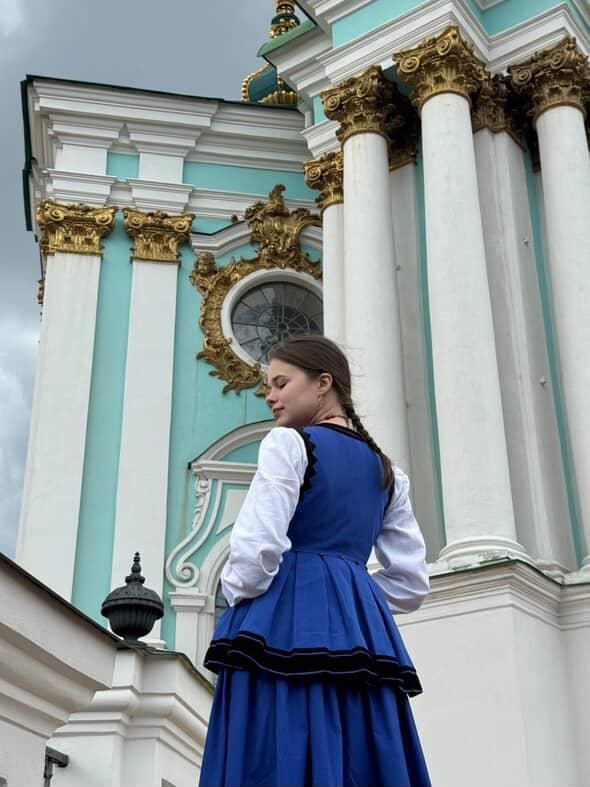
“For me, traditional clothing is unity with my ancestors – it’s about lineage and memory. It’s a kind of ‘language without words’: a way to show that Ukrainian can be modern, beautiful and stylish. When I wear a traditional outfit – or even a small traditional accessory – it’s as if I’m telling people around me: look, this is ours, it deserves attention, and it deserves pride. It’s also a reminder that tradition stays alive only if we wear it, reflect on it, reinterpret it – and pass it on. I actually like catching people’s glances, sparking interest, telling them the names of garments, and answering questions. That’s how I promote Ukrainian culture – and show by example that traditional dress isn’t only for Vyshyvanka Day.”
No antique clothing has survived in her family – and even if it had, Diana says she wouldn’t wear it:
“Everyday wear destroys authenticity.”
Instead, she builds a modern wardrobe around historically informed elements – adding accessories and experimenting with combinations:
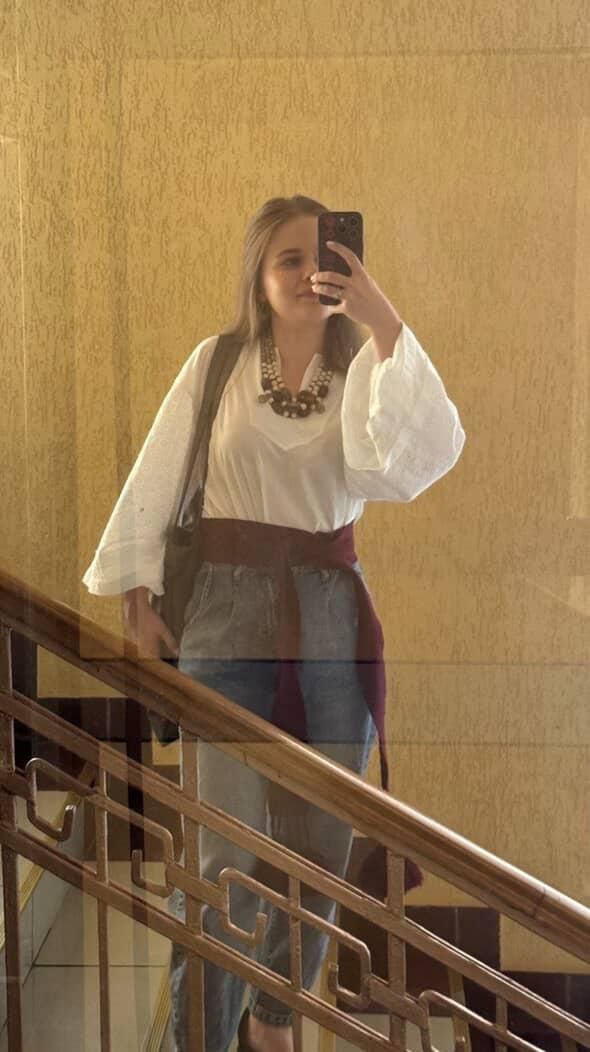
“One of the most versatile elements for blending traditional dress with a modern wardrobe is the krajka. It works beautifully with skirts of different lengths and looks especially good with jeans.
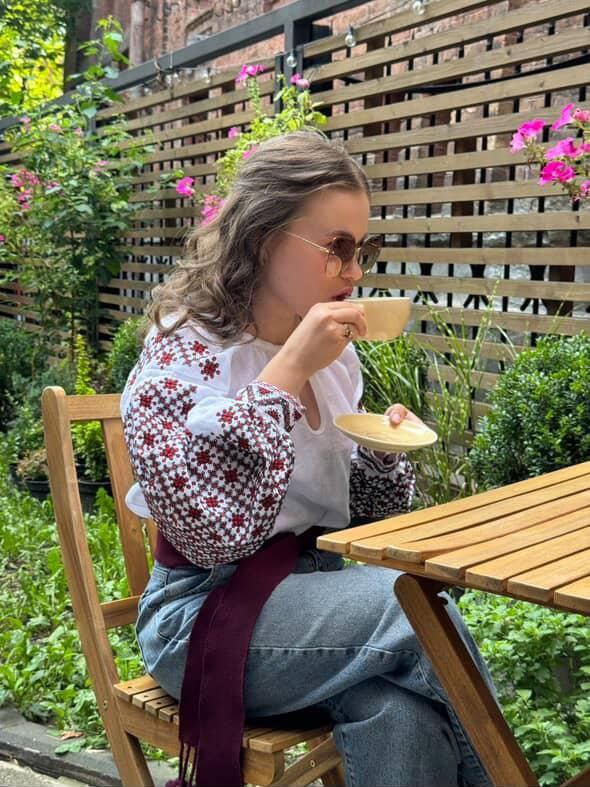
Loose-fit jeans are actually my favourite modern base for an ethno-look – like a blank canvas you can build on with several elements at once. In colder weather, I like pairing jeans with traditional-style boots – it lands somewhere between contemporary fashion and the familiar boho aesthetic, and a leather jacket finishes it nicely.
 I also experiment with the korsetka: on a relatively mild, rainy autumn day, I wear a regular shirt, jeans and a blue Poltava-style korsetka (a regional variation associated with central Ukraine).
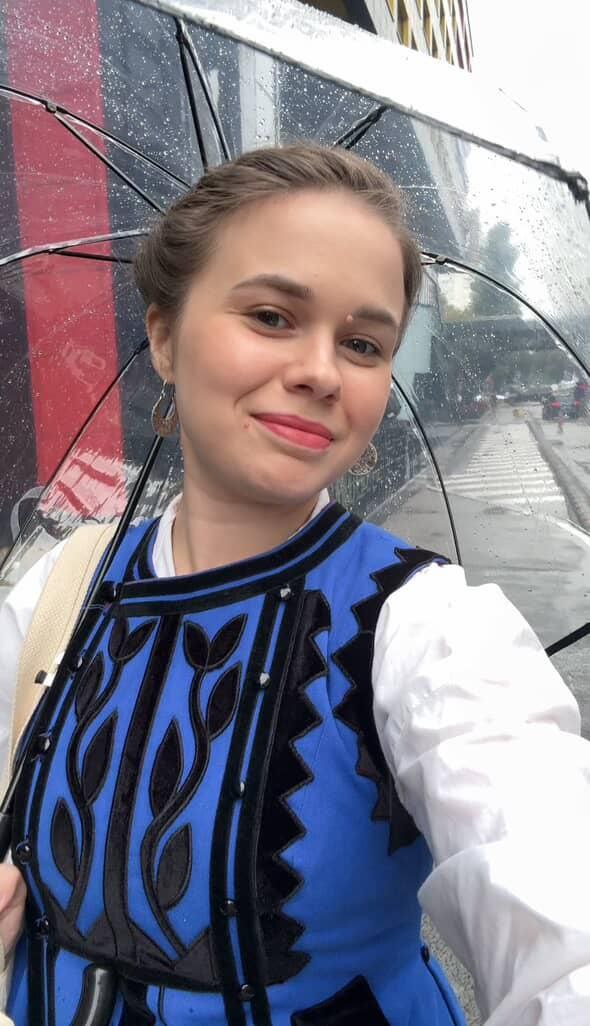
Earrings in a Ukrainian style are always part of the look. For winter, I also ordered a yupka (a warm overcoat, a traditional outer layer with sleeves).
In the summer, I experiment freely with long traditional skirts – pairing them with plain white T-shirts and bold necklaces. It feels both traditional and modern – and, most importantly, stylish.”
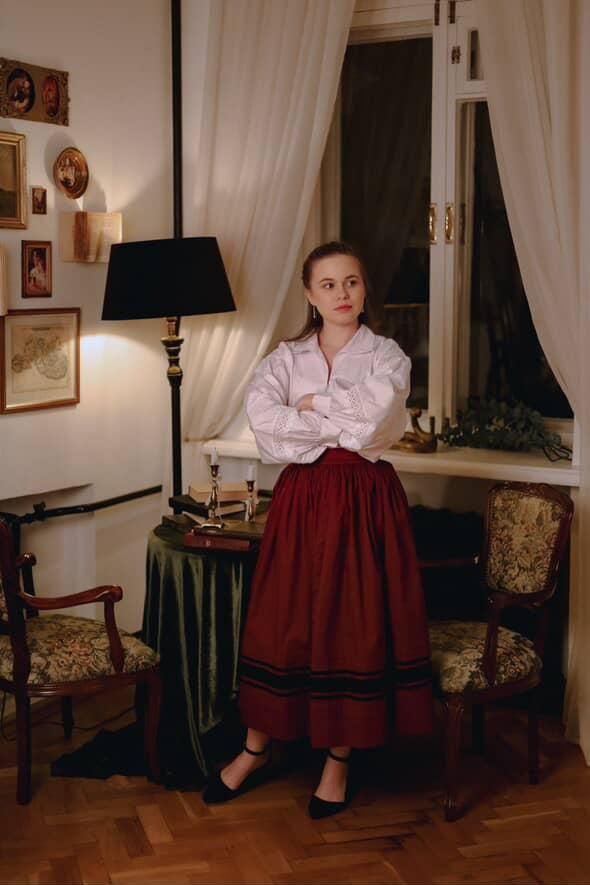
For Diana, these details aren’t about dressing up – they shift the day itself:
“Ukrainian symbols on clothing remind me of my roots, of the people who came before me, and of the responsibility to carry this culture forward. In those moments, even an ordinary day feels deeper.”
Alona: Embroidery as protection – and a protest against clichés
Alona Rodiuk speaks plainly. For her, the Ukrainian dress is first and foremost about responsibility: for meaning, for symbols, and for what we claim as “ours”.
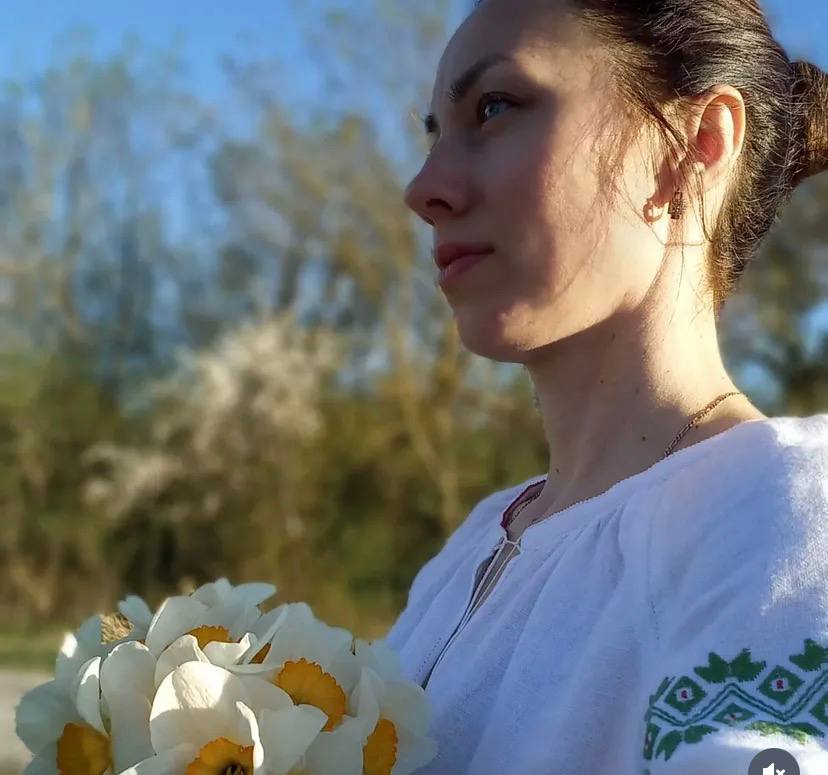 “I am Ukrainian, and I believe wearing contemporary Ukrainian ethno-clothing should not be the exception, but the norm.”
For Alona, embroidery is far more than decoration. It is the creation of a protective garment – an amulet shirt – into which she pours intention and emotion. Most of her embroidered pieces are made for family members or as part of a volunteer initiative supporting Ukrainian defenders.
“Embroidery isn’t just embellishment. For me, it’s the process of creating a protective shirt. I stitch from the heart.”
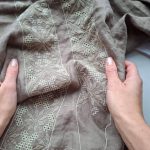
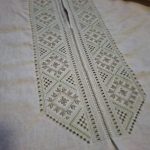
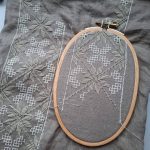
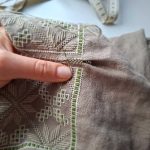
Putting on an embroidered shirt brings a tangible change: a sense of protection, strength and pride in her origins.
Alona draws a clear line between authentic dress and the theatrical, Soviet-era caricatures of “folk costume”:
“I want to show what a genuine embroidered shirt really is – not the kitschy stereotypes invented in the Soviet period – and to show that it can be worn every day, not only on national holidays.”
In everyday life, her style is simple: an embroidered shirt with jeans or shorts, or modern clothing accented with Ukrainian jewellery. Understated, but deeply expressive.

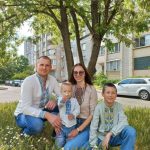

Natalia: Light from within
Natalia’s story began with a trip to Yaremche, a town in the Carpathian Mountains. At a local market, she noticed embroidered shirts – vivid threads, intricate beadwork – and bought her first vyshyvanka. She was twenty.
“It’s beautiful and deeply connected to our culture. When I wear it, I feel as if something inside me changes – as if I glow from within.”
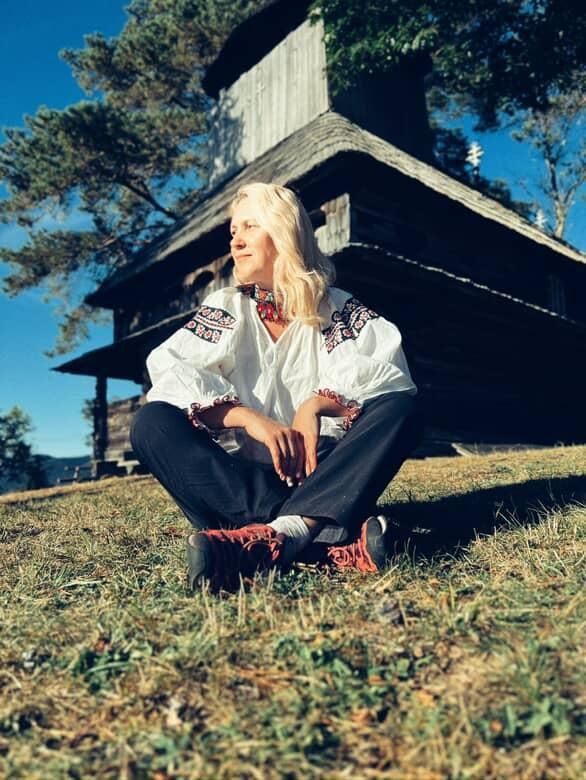 For Natalia, the embroidered shirt represents her roots, her history, and a visual language of identity.
No family garments survived: her family from southern Ukraine preserved only a photo album spanning several generations. Clothing, therefore, becomes a way of restoring a broken connection with the past.
She enjoys mixing authentic Ukrainian pieces with contemporary fashion and other European styles – traditional jackets with jeans, woven belts with high-street dresses, Austrian blouses with replicas of historic Ukrainian skirts.
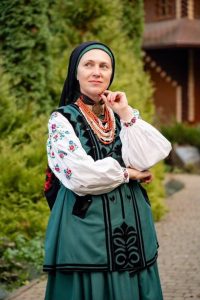
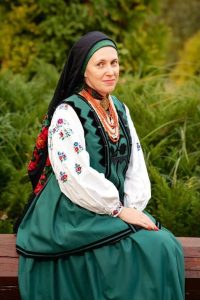
“Both the way I look and the way I feel change. My posture straightens, my walk becomes more dignified – as if I carry light within me. Others notice it too.”
Concept & design: moondesss.design
Text: Rostyslava Martyniuk
Ukrainian editor: Anastasiia Zanuzdanova
English-language editor: Helen Lewis
Photography: Courtesy of the participants’ personal archives
Leave a Reply