
Krampus in the German-speaking world, the fearsome Grýla and the Yule Cat in Iceland, Wales’s Mari Lwyd, or Britain’s own Jack Frost — winter folklore across Europe is filled with unsettling yet fascinating figures. Though often frightening in legend, they inspire festivals, rituals and communal celebrations. Ukraine is no exception. Its distinctive winter tradition, Malanka, was officially added in 2023 to Ukraine’s National List of Intangible Cultural Heritage, recognising it as a living custom that continues to shape collective identity and festive life.
Across Europe, winter has long been imagined as a liminal season — a time when old rules dissolve, and new beginnings are announced through masks, noise and ritual disorder. In Britain, this role is often played by Jack Frost, a mischievous spirit who paints frost on windows and bites at noses, symbolising the wild, unpredictable side of winter. In Wales, the eerie Mari Lwyd — a horse-skull figure carried from house to house — performs a similar social function, blending fear, humour and celebration.
In Ukraine, this boundary between the old year and the new is embodied by Malanka, a folkloric character and a festive ritual that combines pre-Christian beliefs with later Christian traditions. Rather than a single figure, Malanka is a whole masquerade performance — a form of folk theatre rooted in community participation, satire and symbolic renewal.
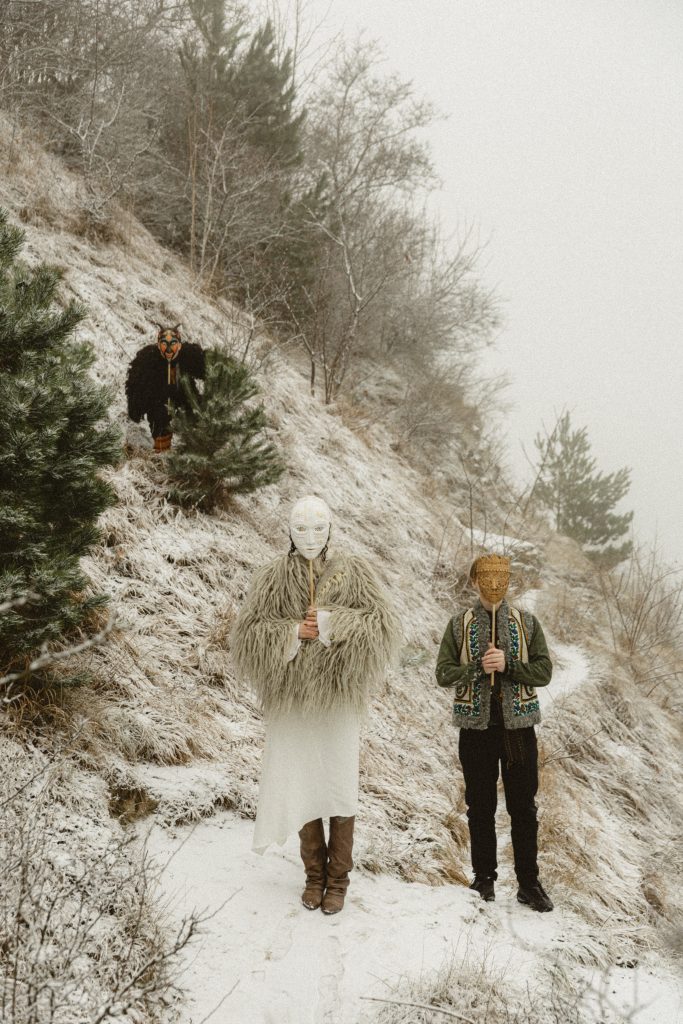
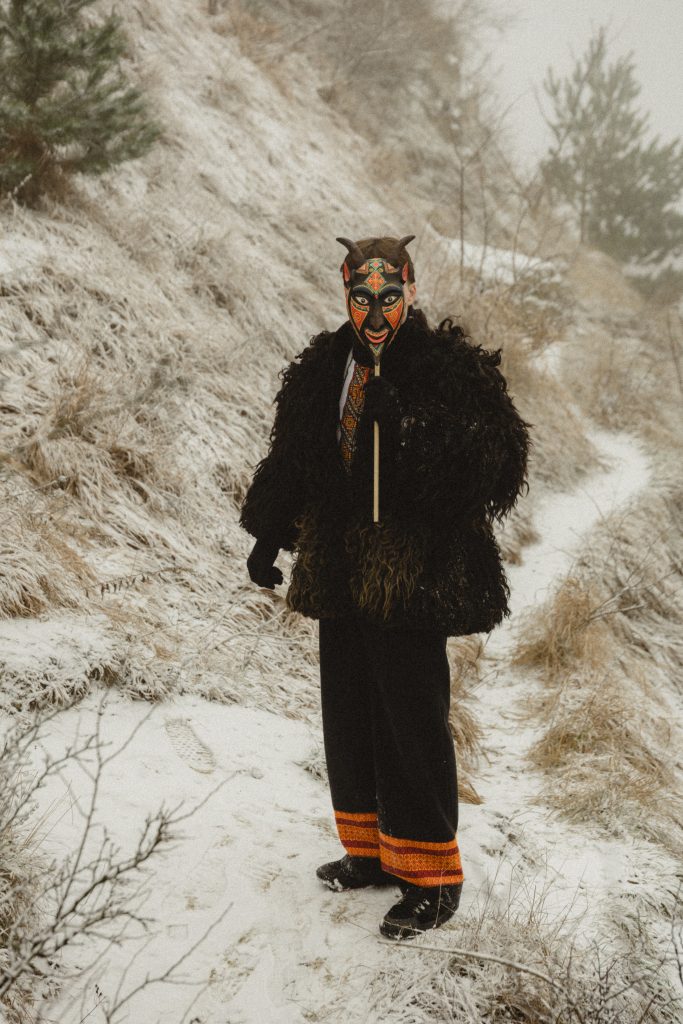
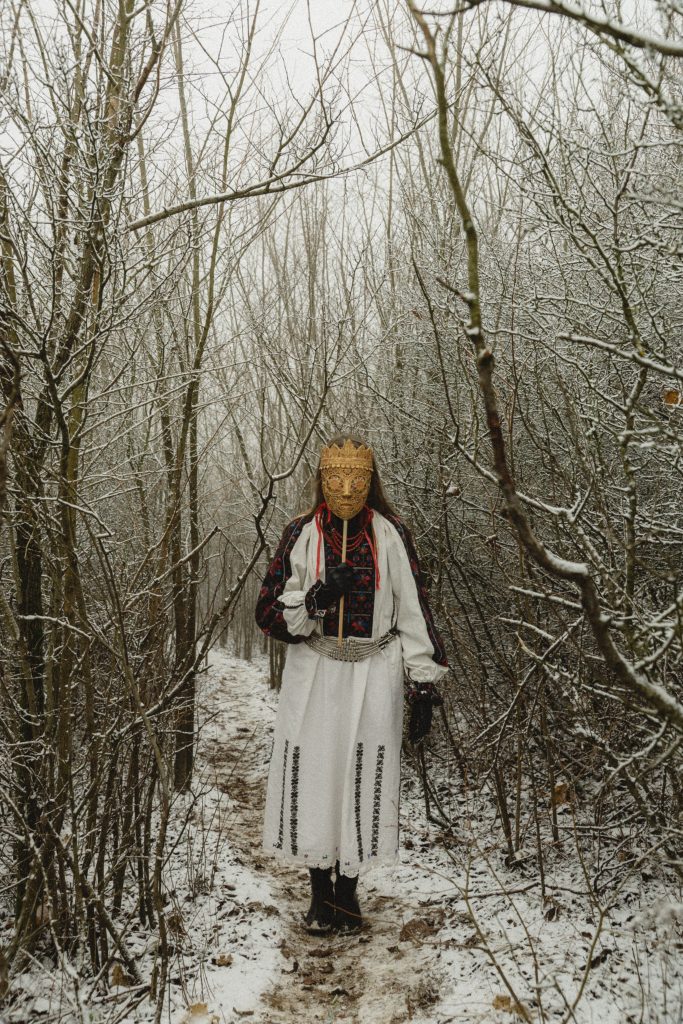
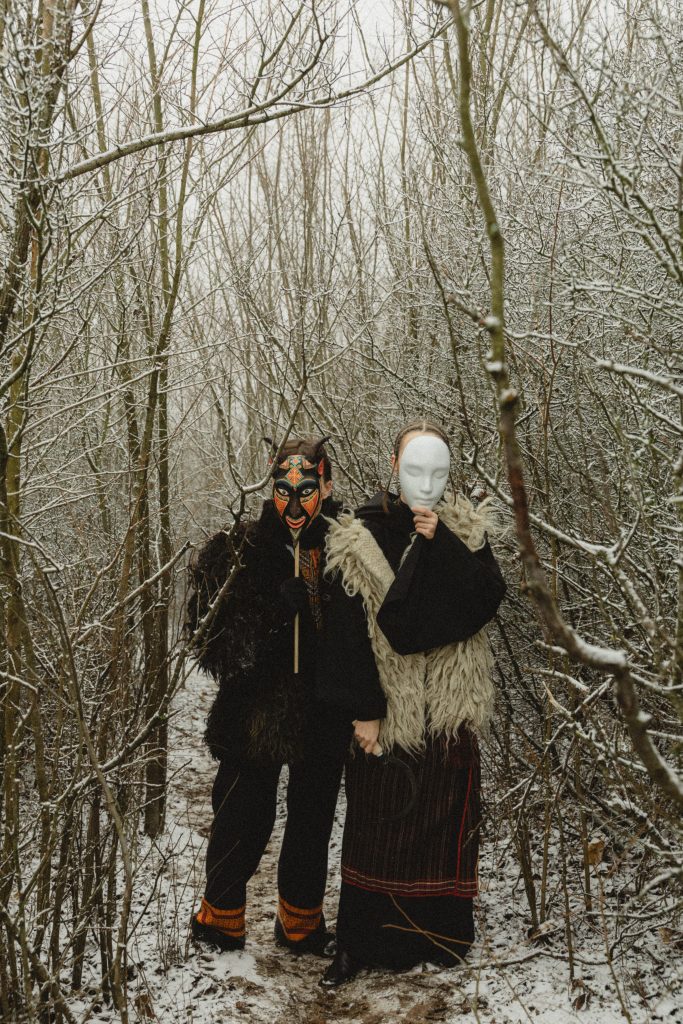
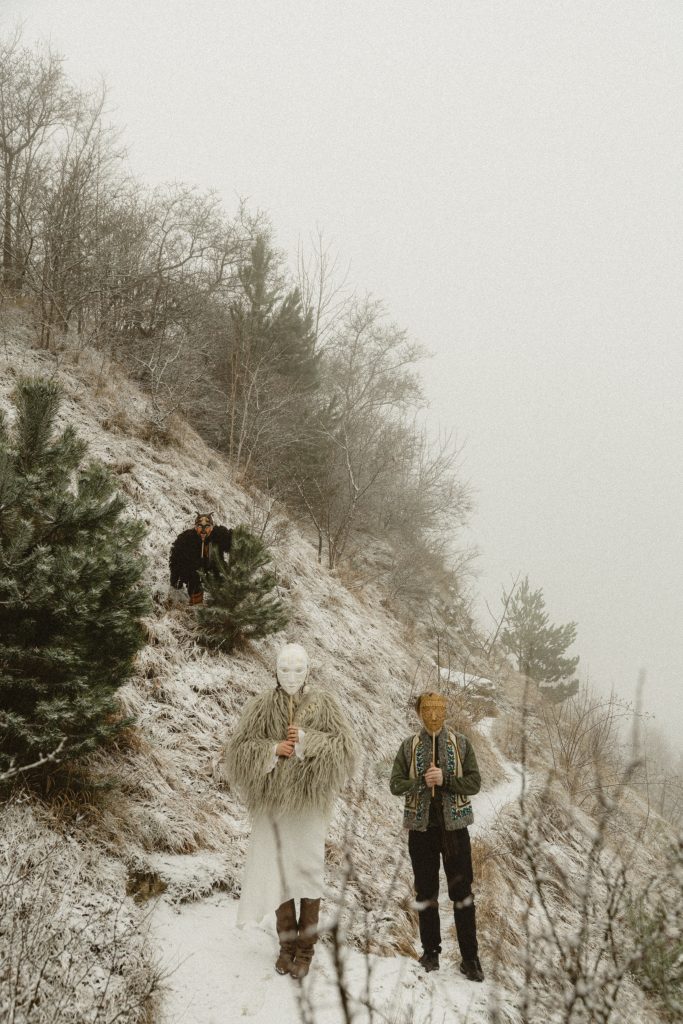
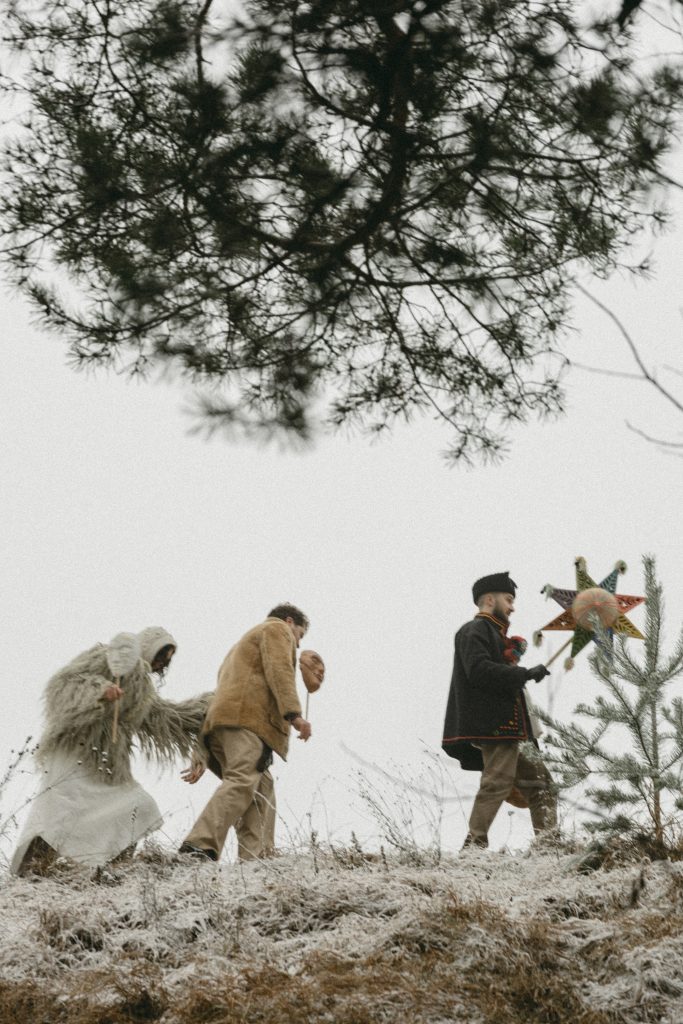
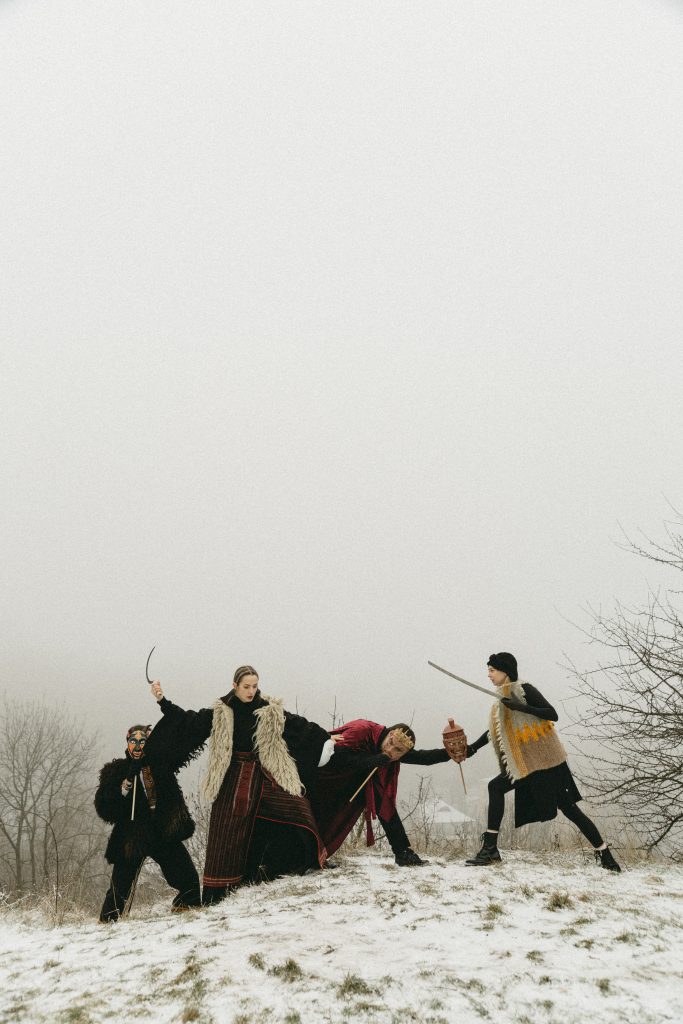
One of the central customs of Malanka night (celebrated on the eve of the Old New Year) is house-to-house visiting with costumed characters, often accompanied by the leading of the Goat — a powerful symbol of fertility and prosperity. Participants dress up as animals and folkloric figures. Traditionally, Malanka is portrayed by an unmarried young man, while women often assume male roles. Among the most common characters are Vasyl, the Goat, the Old Man and Old Woman, the Bear, the Gypsy, the Devil and the Doctor.
The Goat and Malanka are adorned with colourful ribbons, wreaths and necklaces, while Vasyl wears traditional clothing — a zhupan coat, wide trousers and boots. Moving from house to house, the performers sing ritual songs known as shchedrivky, dance, joke and theatrically “bless” households with wishes of abundance and good fortune. In this sense, Malanka closely resembles European carnival traditions — yet remains unmistakably Ukrainian in tone and symbolism.
At dawn on 1 January, the celebration continued with ritual sowing (posivannia). Boys scattered grain inside homes, symbolically “planting” prosperity, health and a good harvest for the coming year. According to tradition, only boys were allowed to perform this ritual, as it was believed to bring luck and renewal.
In the 21st century, Malanka has survived most vividly in rural communities of Galicia, Bukovyna and Podillia, though urban festivals and artistic reinterpretations are now giving the tradition new forms. Its inclusion on Ukraine’s Intangible Cultural Heritage list in 2023 confirms that Malanka is not a relic of the past but a dynamic, evolving expression of collective memory — comparable in cultural weight to Europe’s best-known winter folk customs.
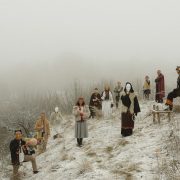
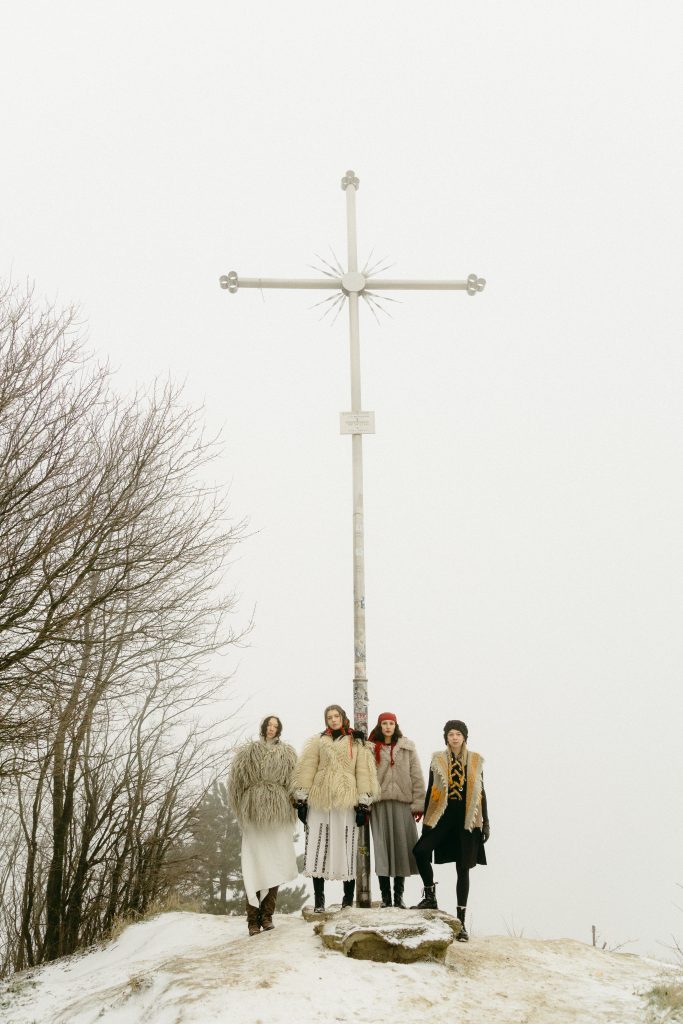
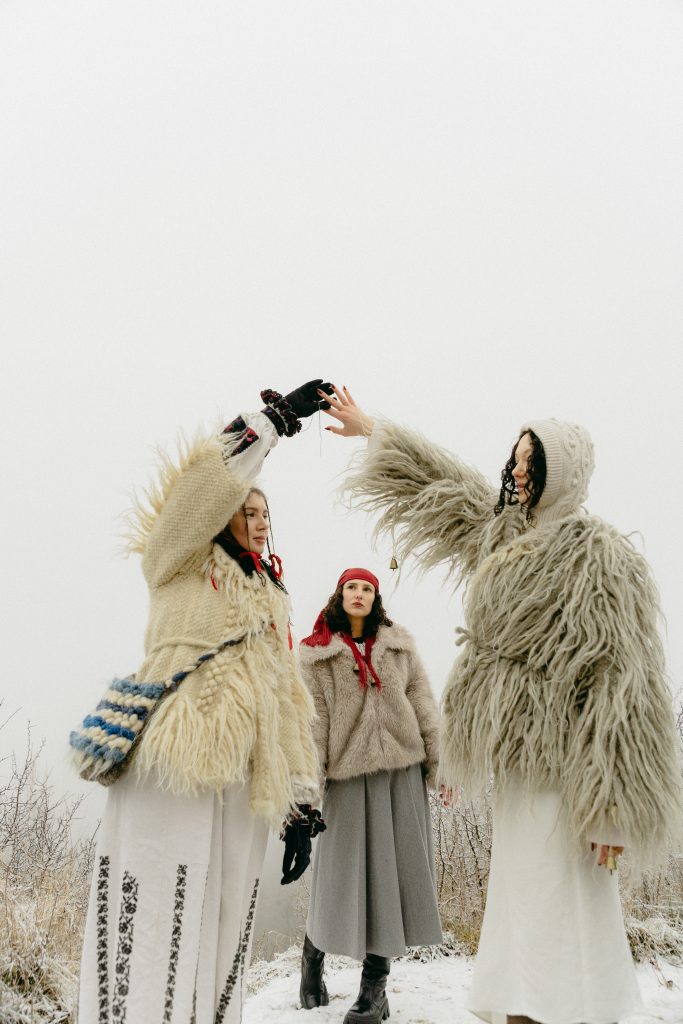
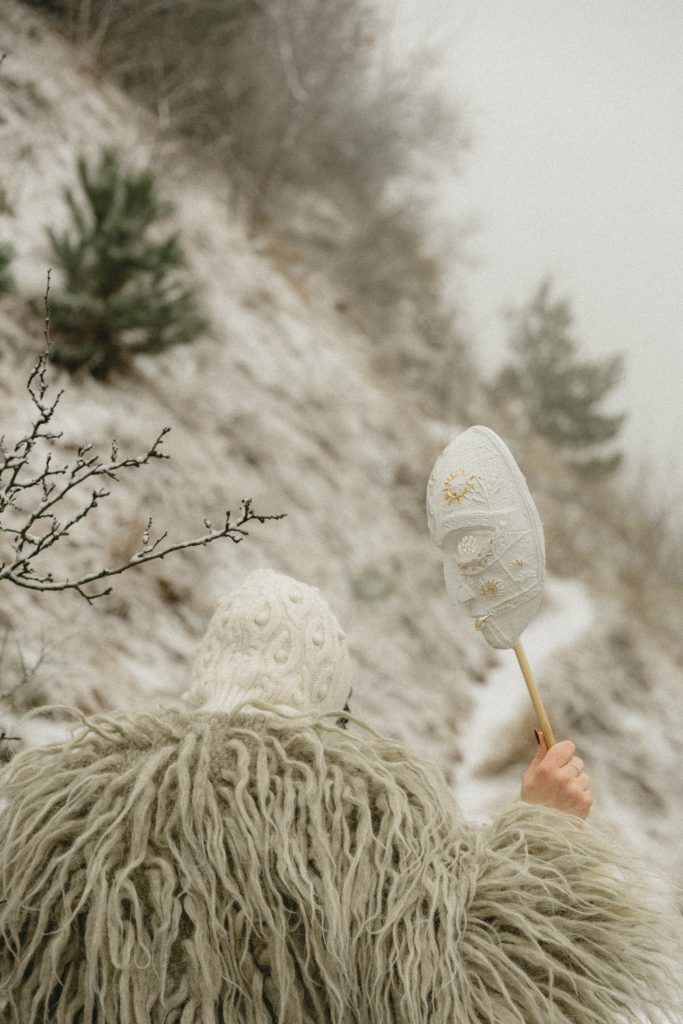
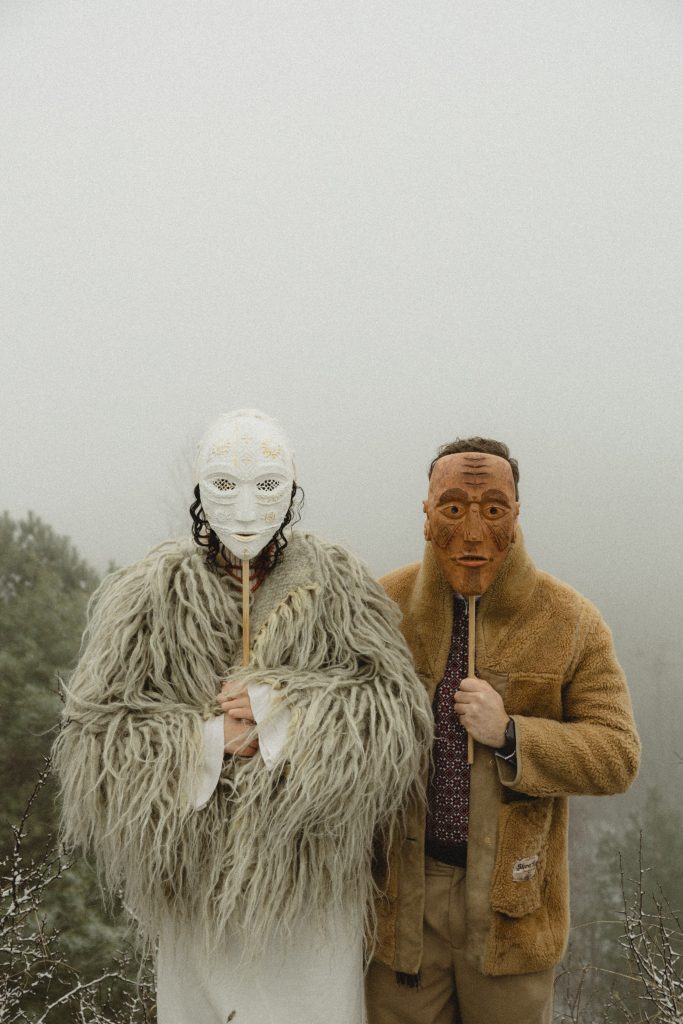
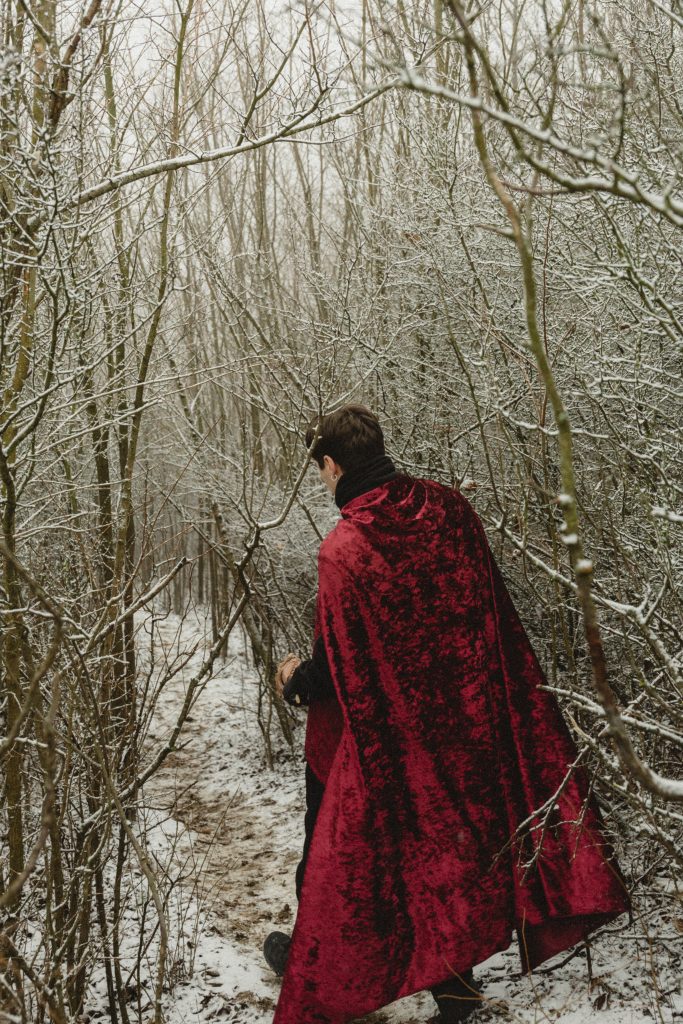
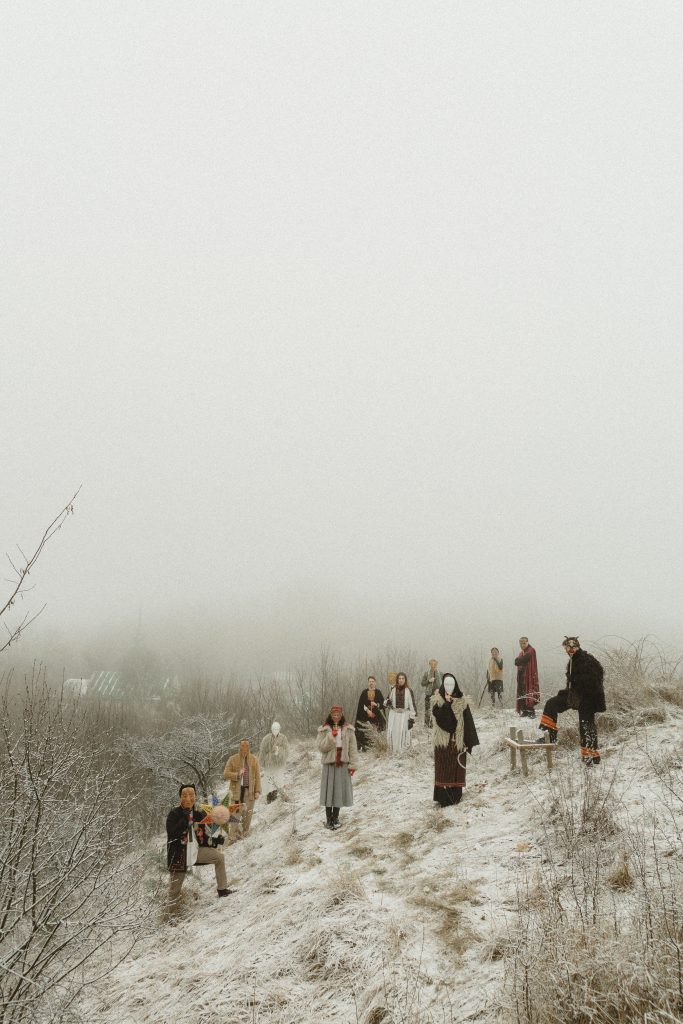
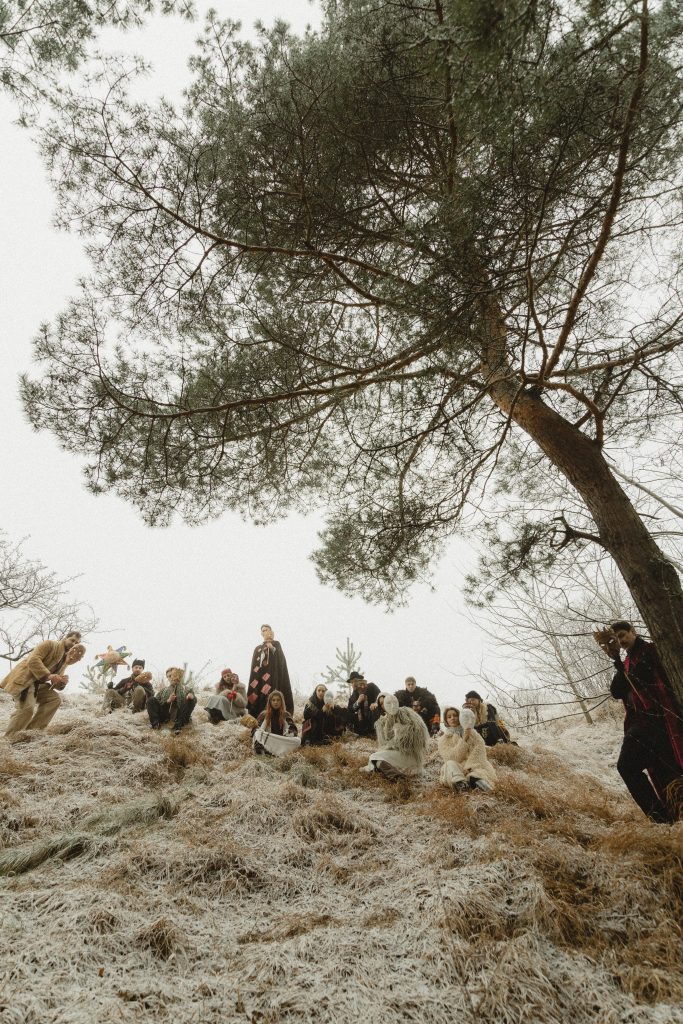
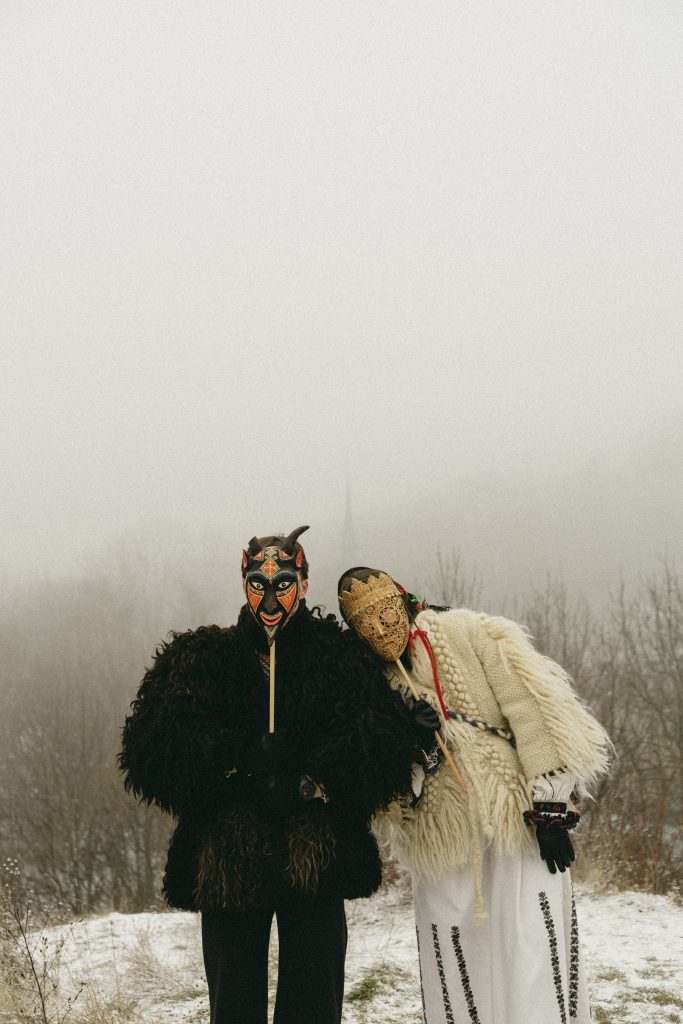
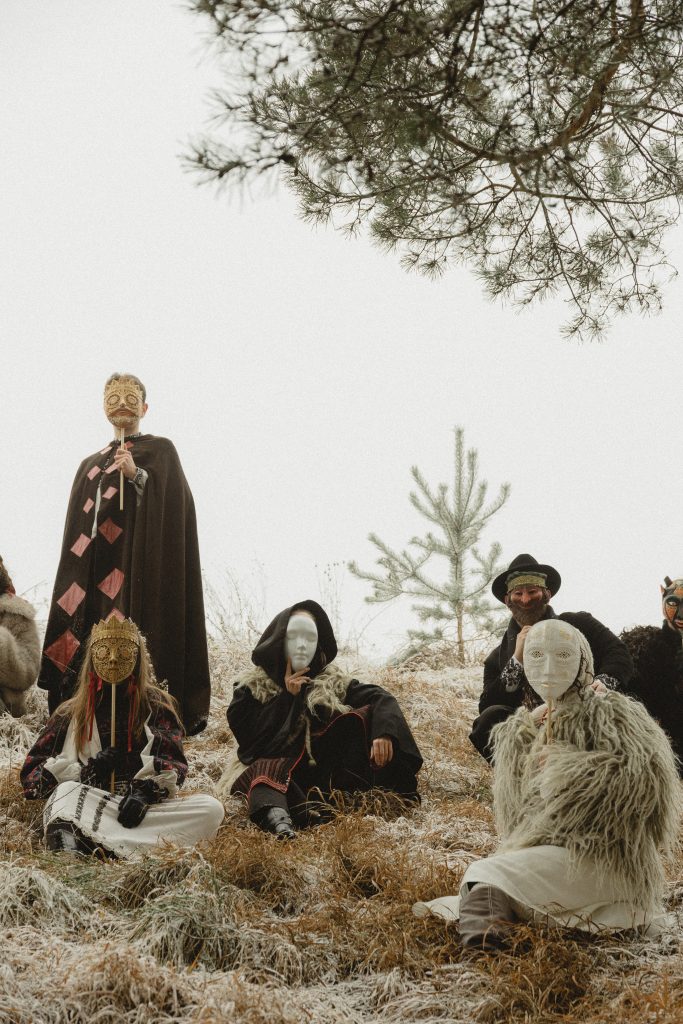
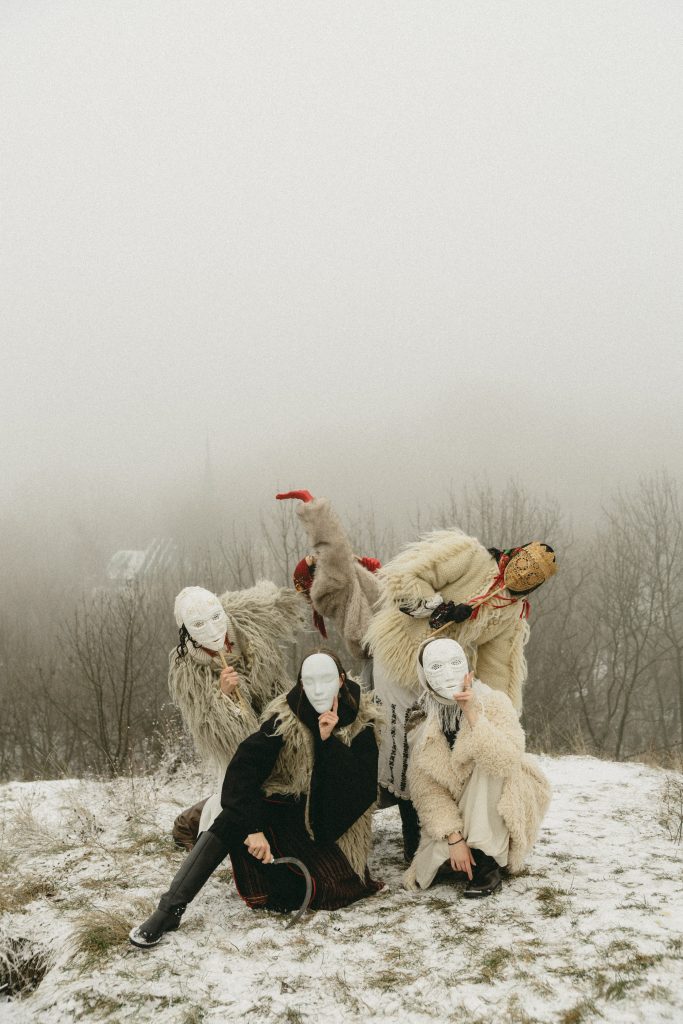
Today, Malanka exists not only as a ritual, but also as a space for contemporary reinterpretation of tradition. It was from this inner sense of continuity and renewal that the fine-art photographic series shoot by Lida Nyzhnyk on Lysa Hora in Lviv was born.
On photos present Pavlo Hyba, Yaryna Bodnar, Nelia Dopilko, Andrii Dopilko, Yuliia Shchukina-Znak, Yurii Znak, Ostap Medynskyi, Nataliia Savchak, Yurii Shyrii, Oleksandr Rebeiko, Andrian Popovych, Yaryna Zaplatynska, Yuliia Terletska. For them the nativity play and carolling are not a reconstruction of the past, but a living way of experiencing Christmas and shared belonging.
“We have been gathering as a nativity group for four years now, but in fact this story began even earlier — in 2021 — with a few intuitive attempts and a small circle of friends. Back then, it felt like a natural continuation of what each of us carried from childhood: family carolling, visiting relatives with our parents, a sense of warmth and unity. Over time, it grew into a shared tradition that has gained deeper meaning with every passing year.”
According to them, the turning point came with the beginning of the full-scale invasion. It was then that the idea of a rap carol emerged — as a way to show that Ukrainian traditions cannot be broken or stopped. They can change form, speak in a contemporary language, and yet remain alive and powerful. Today, the nativity group has also become a space of support: its members raise funds for friends who are serving in the military and for their units. Now they collect donation to a friend who serve in a Ukrainian Marine Corps. You can send donation via link.
“For us, the nativity play and carolling are the best way to truly live through Christmas. You become a messenger of the holiday, a part of the moment itself. You create a small, improvised ‘amphitheatre’ for people, and an incredible exchange of energy happens between you: they rejoice, sing along, and share warmth. It is also about reclaiming what was once forbidden and taken away. We are bringing it back as a living part of Ukrainian culture — something we want to protect and pass on.
Over the years, the composition of our group has changed. Some friends have moved abroad, which was not easy, but it didn’t stop us. Over the past two years, several of the men from our group have gone to serve in the army, and carolling has taken on another dimension. We raise funds for them and their units — for real military needs. For us, this is a natural continuation of what we do: staying close and supporting our own.”
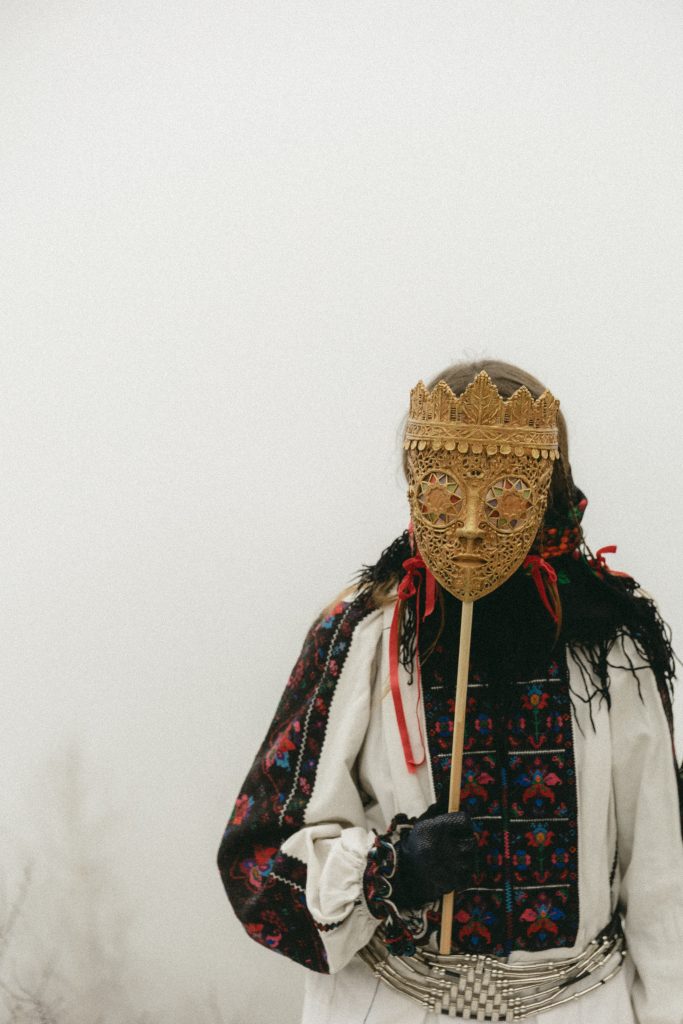
The Malanka photo series became the culmination of several years of shared work, lived experiences, losses and joys, as well as an attempt to preserve this tradition not only in digital form, but also physically — as a printed album for future generations. Masks play a particularly symbolic role in the project, allowing participants to step beyond individual identity and become archetypes — part of a collective story.
Leave a Reply